

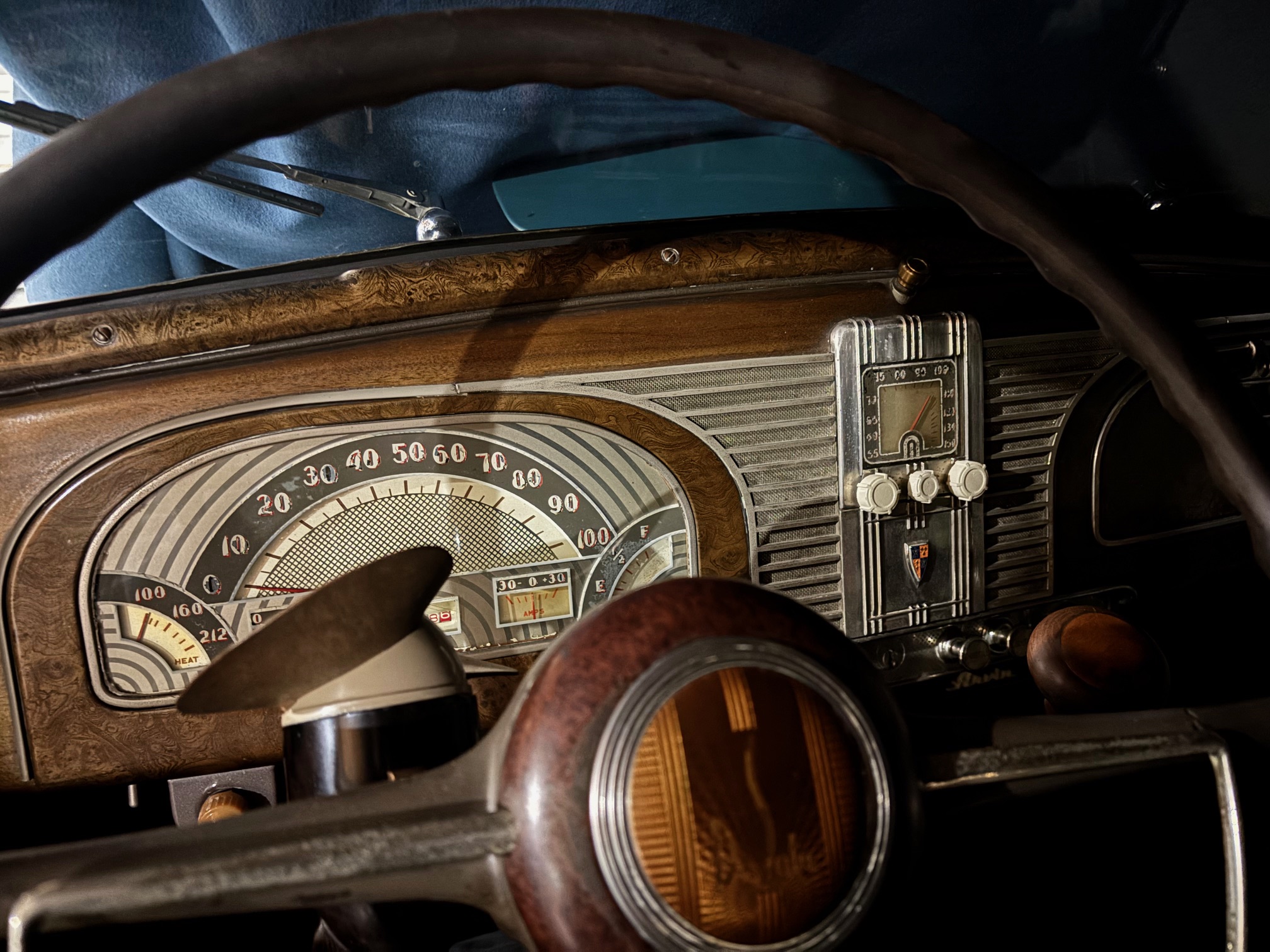
There’s something special about a vintage car interior. The swooping gauges, chrome details, and that Art Deco dashboard styling make you feel like you’ve stepped into a time machine.
But for one beautiful 1938 DeSoto Rumble Seat Coupe, there was a small problem: the radio looked like it had lost a fight with time. The faceplate was gorgeous… but the original knobs were long gone.
That’s where we got to jump in.
Our mission? Create brand-new radio knobs using 3D printing that look like they’d been there since 1938.
When Original Parts Don’t Exist Anymore
Finding replacement parts for an 80-year-old car is never easy. Finding matching radio knobs? That’s almost impossible.
Over the years, plastic knobs fade, crack, or simply disappear. Salvage yards rarely have identical pieces, and if they do, they might be just as brittle as the originals. Machining a set from scratch is possible, but it’s time-consuming and expensive for such small, detailed parts.
So instead of endlessly hunting through swap meets and auctions, the car’s owner came to us with a better idea:
“Can you 3D print new knobs that look exactly like the old ones?”
Challenge accepted.
Step 1: Reverse-Engineering a Tiny Piece of History
To recreate the knobs, we started the way most restorations do, with reference.
Using photos of original DeSoto radios and existing hardware as a guide, we carefully studied the shape:
- Diameter and height of the knob
- The subtle bevels and curves around the edges
- The little grip details
- How the knob actually attaches to the radio shaft
Then we created a precise 3D model in CAD. This is where digital tools really shine: we can tweak fractions of a millimetre, check symmetry, and even test how the knob will sit on the shaft before printing anything.
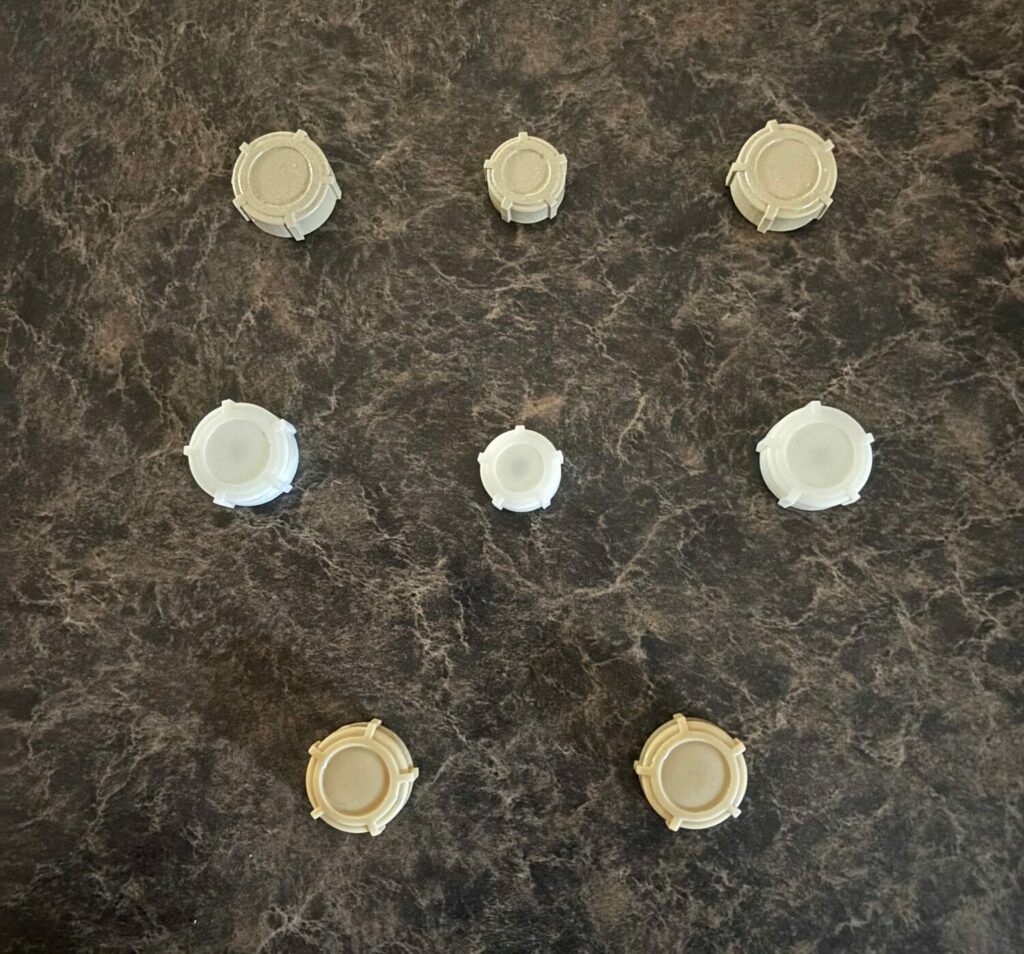
Because fit is critical, we printed a few test versions, with small changes in size, slightly different details, and lined them up to compare.
Once we were happy with the design, it was time to print the real thing.
Step 2: Why We Used SLA 3D Printing for This Job
For these knobs, we chose SLA (stereolithography) 3D printing.
Why SLA instead of FDM (the more common filament printers)?
- Ultra-fine detail: Vintage knobs often have tiny ridges and rounded transitions. SLA uses a laser to cure liquid resin, giving smooth surfaces and crisp details.
- Minimal layer lines: On a car dashboard, you sit just inches away from these parts. SLA parts look closer to molded plastic than typical 3D prints.
- Great for small parts: SLA really shines on things like knobs, switches, bezels, and emblems.
We printed the knobs in a high-resolution resin, then cleaned, cured, and lightly sanded them to prepare for paint. At this stage, they already looked good – but we wanted them to look factory.
Step 3: Painting and Colour-Matching the Originals
Old plastics don’t stay the same colour for 80+ years. They yellow, fade, and pick up a patina that’s hard to copy straight out of a bottle.
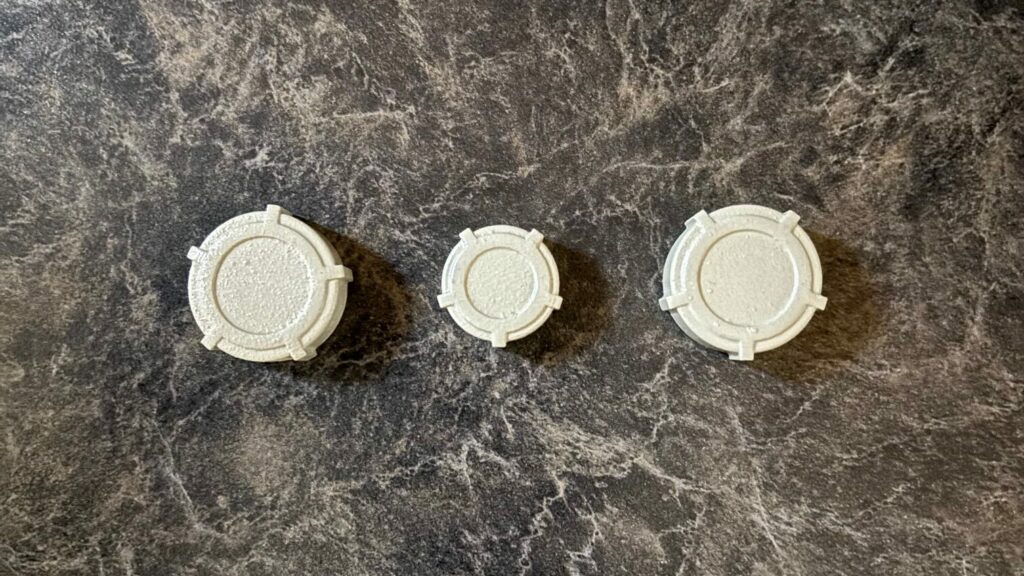
So after printing, we painted the knobs to match the original look:
- A warm, ivory tone to suit the era
- A finish to avoid looking too “modern” or glossy
- Careful spraying so the fine details stayed sharp
This is where the project really came alive. Once the paint dried and the knobs were installed on the radio, they looked like they had always belonged there.
Sit in the DeSoto now, and your eye doesn’t see “replacement parts” – it sees a complete, elegant dashboard again.
What This Project Says About 3D Printing in Restoration
This little set of knobs is a great example of how 3D printing is changing the world of vintage car restoration.
Here’s why restorers are starting to love it:
1. Unobtainable Parts Become Possible Again
Missing one strange little piece of plastic shouldn’t sideline a car. With 3D printing, if you’ve got:
- A surviving original
- Good photos
- Or even just dimensions and drawings
…you can recreate the part. No giant production run required.
2. It’s Reversible
Some restorers worry about “modern tech” ruining authenticity. The nice thing with 3D printed parts is that they’re completely reversible.
If someone later finds a NOS original knob, they can simply pull off the printed one and swap it. In the meantime, the car looks complete and can be enjoyed.
3. Perfect for One-Offs and Small Batches
Need one knob? Five matching ones? A custom emblem for a one-of-a-kind build? 3D printing doesn’t mind. There’s no tooling to pay for and no minimum order. That makes it ideal for:
- Low-volume classic car parts
- Interior trim pieces
- Dash knobs, switch caps, and escutcheons
- Small brackets and clips that nobody manufactures anymore
4. Digital Files Last Longer Than Plastic
Once we’ve designed a part, the 3D model becomes a permanent digital backup. If a knob gets damaged in the future, it’s easy to print another. That’s something the original DeSoto engineers never had.
More Than Just Knobs
For us at 3D Vector, this DeSoto project was fun because it mixed art and engineering:
- Respecting the original 1930s design
- Using modern tools to recreate it
- And seeing the owner’s reaction when the finished dashboard finally looked “right” again
Today it’s radio knobs. Tomorrow it might be:
- A custom dash insert for a hot rod
- A reproduction hood ornament
- Interior trim pieces for a rare European classic
- Or small hardware for motorcycles and tractors
If it’s hard to find, fragile, or no longer made, there’s a good chance 3D printing can give it a second life.
Wrapping Up: Old Steel, New Tech
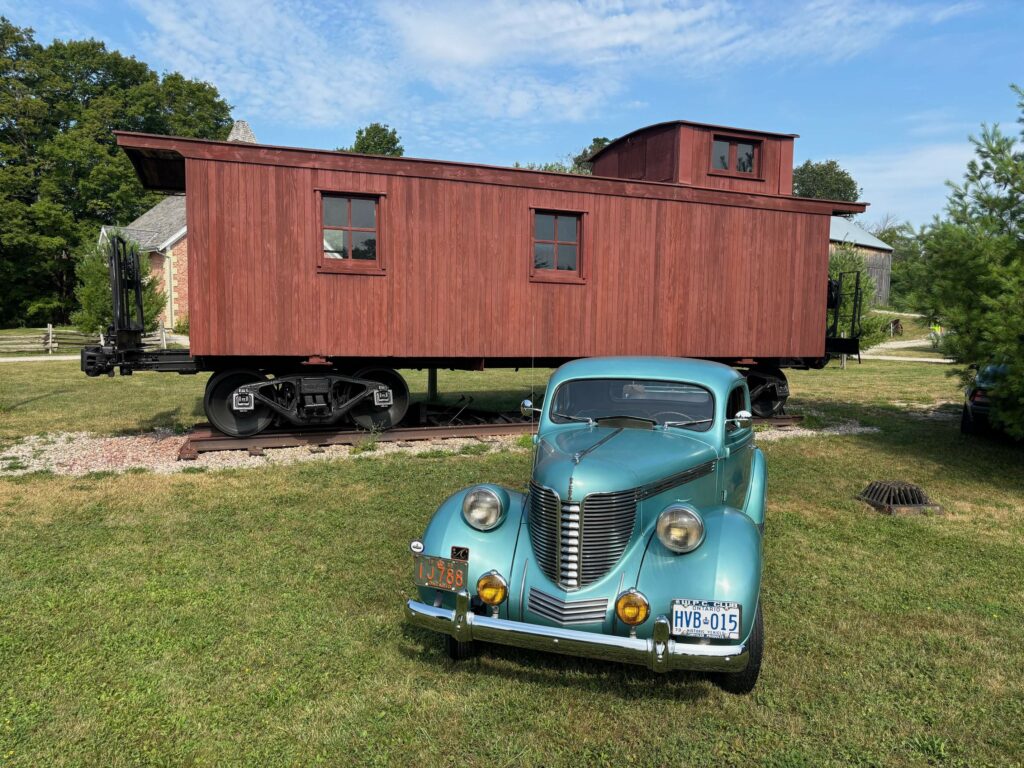
The 1938 DeSoto Rumble Seat Coupe is a beautiful reminder of how cars used to be built – flowing lines, art-deco details, and a sense of occasion every time you open the door.
We’re just happy that our little contribution – a set of carefully recreated radio knobs – helped complete the story.
If you’ve got a classic vehicle with missing or broken plastic parts, don’t let those details hold you back. With modern SLA 3D printing and a bit of design work, we can help you:
- Recreate rare pieces
- Match the look and feel of original parts
- And keep your vintage pride and joy on the road (and looking sharp) for years to come.
Got a part in mind already? We’d love to hear about your project.