

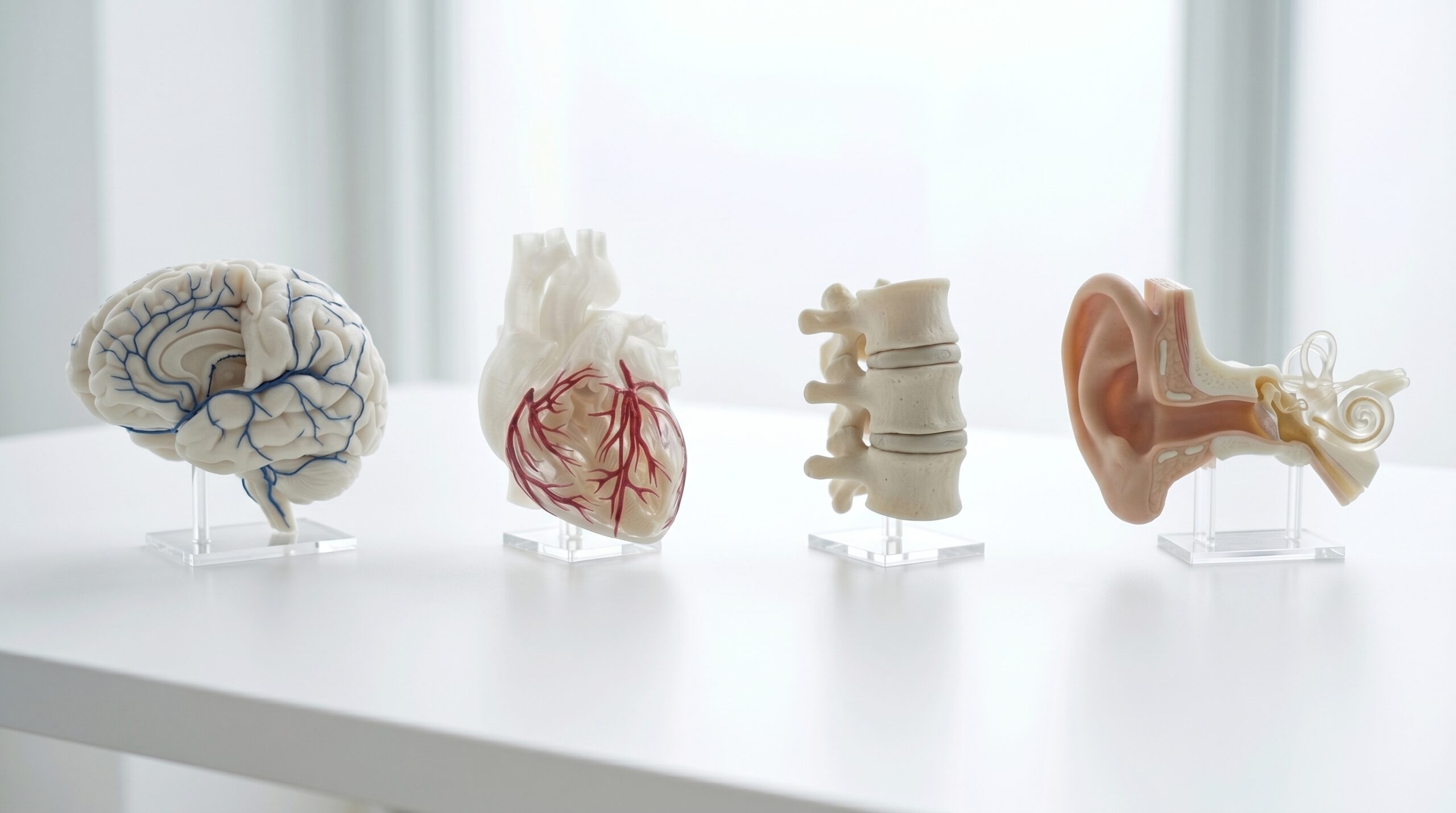
The healthcare industry is experiencing a manufacturing revolution, and medical 3D printing is at the center of it. From patient-specific surgical guides to custom prosthetics, dental restorations, anatomical models, and biocompatible medical devices, additive manufacturing is changing how healthcare professionals diagnose, plan, and treat patients.
At 3D Vector, we see firsthand how advanced additive manufacturing technologies are reshaping modern medicine. While several printing methods are used across healthcare, Stereolithography (SLA) has emerged as one of the most important technologies for precision medical applications due to its exceptional accuracy, smooth surface finish, and ability to produce highly detailed components.
In this article, we explore the current state of medical 3D printing in 2026, with a strong focus on SLA printing while also examining the roles of FDM, SLS, and DMLS technologies in healthcare innovation.
The Rise of Medical 3D Printing
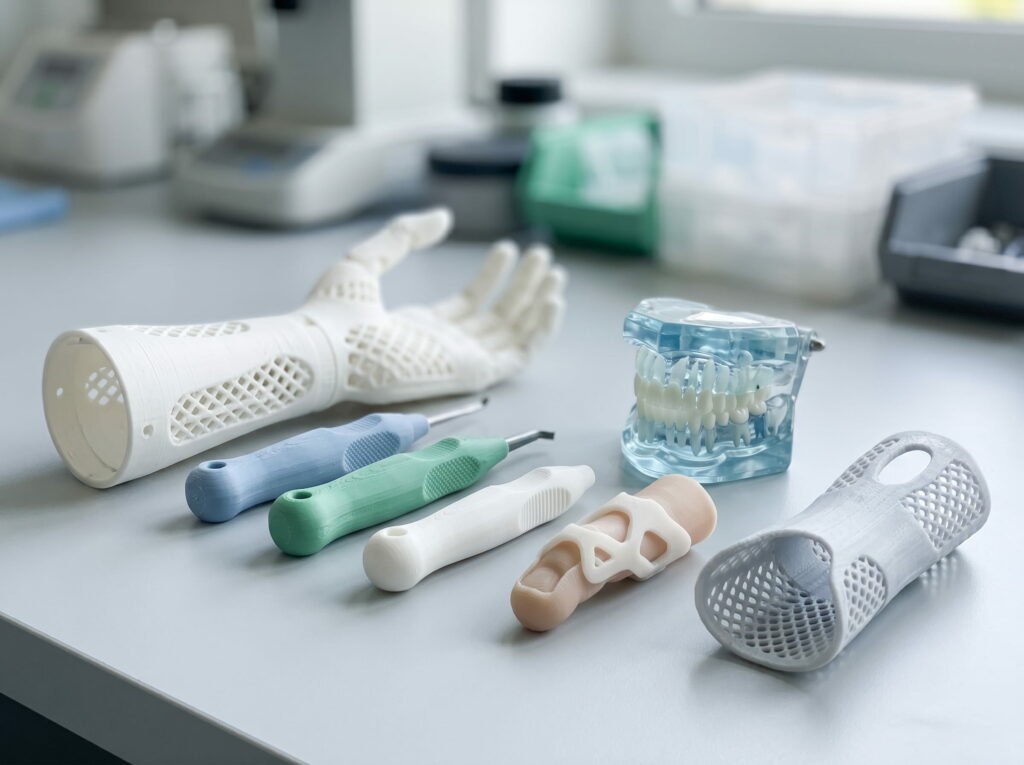
Medical 3D printing has evolved from a prototyping tool into a clinically valuable production method. Hospitals, dental labs, medical device manufacturers, and surgical centers are increasingly adopting additive manufacturing to improve personalization, reduce production timelines, and optimize patient outcomes.
According to recent industry reports, the global SLA 3D printing market is projected to grow significantly through 2033, driven by advances in automation, material science, and healthcare applications.
Several trends are accelerating adoption:
- Personalized medicine and patient-specific devices
- Point-of-care manufacturing in hospitals
- AI-assisted surgical planning
- Growth of digital dentistry
- Faster prototyping for medical device companies
- Increased demand for anatomical models and surgical guides
Healthcare providers are increasingly recognizing that additive manufacturing reduces surgical uncertainty while improving efficiency and customization.
Why SLA 3D Printing Dominates Medical Applications
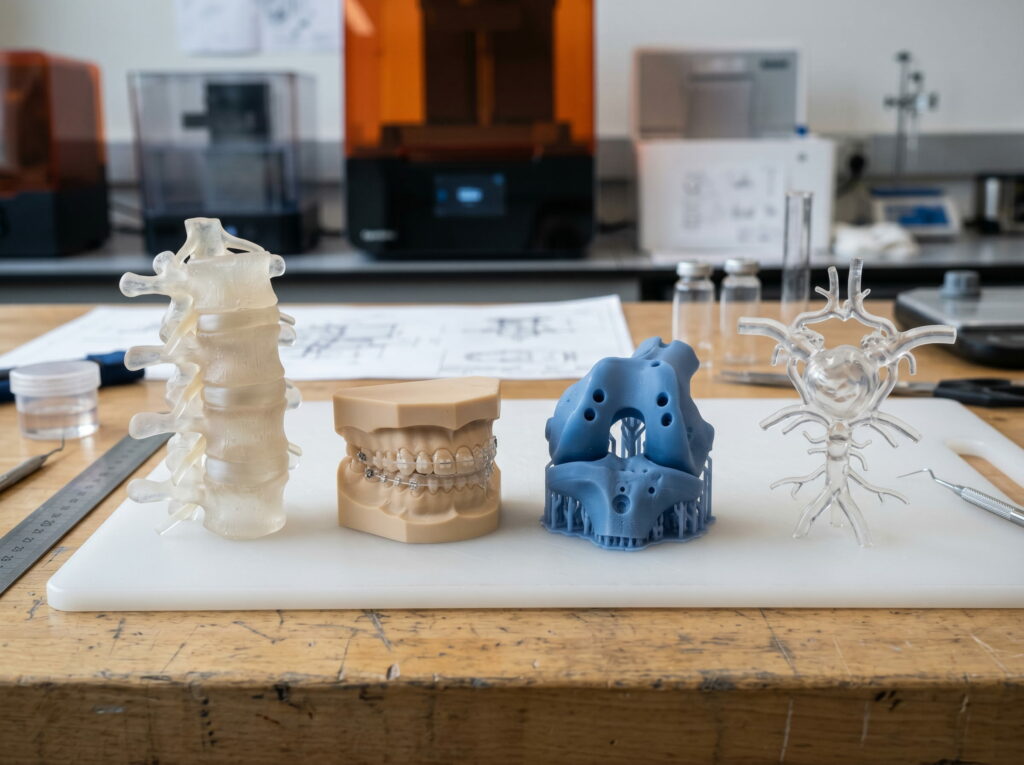
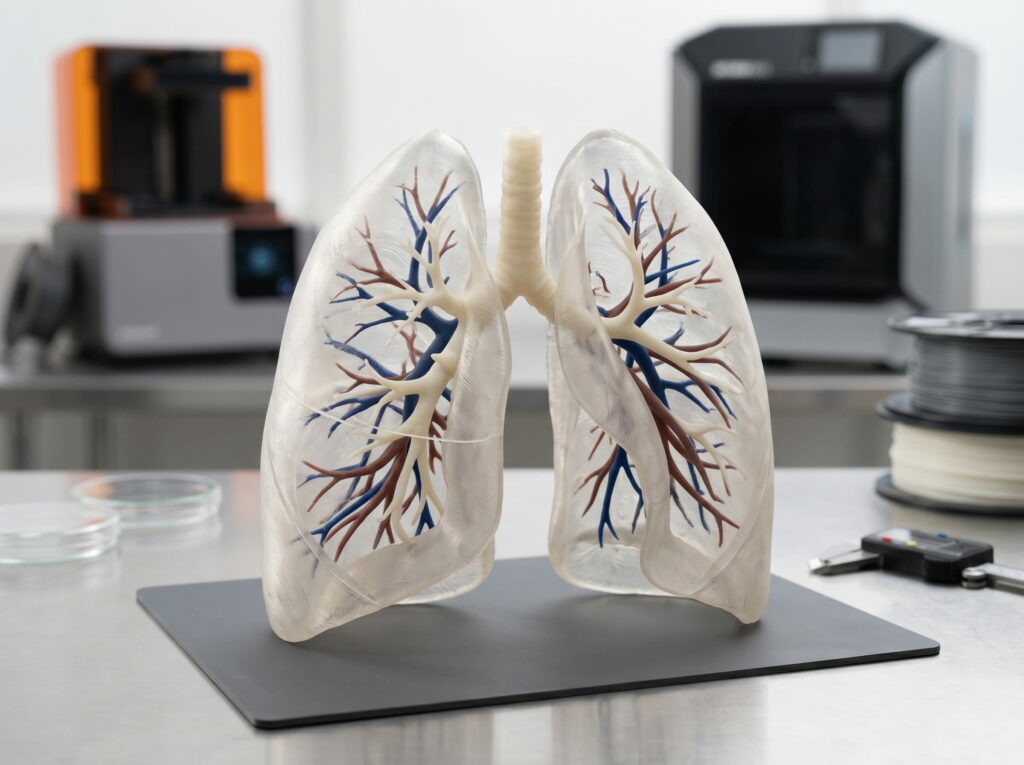
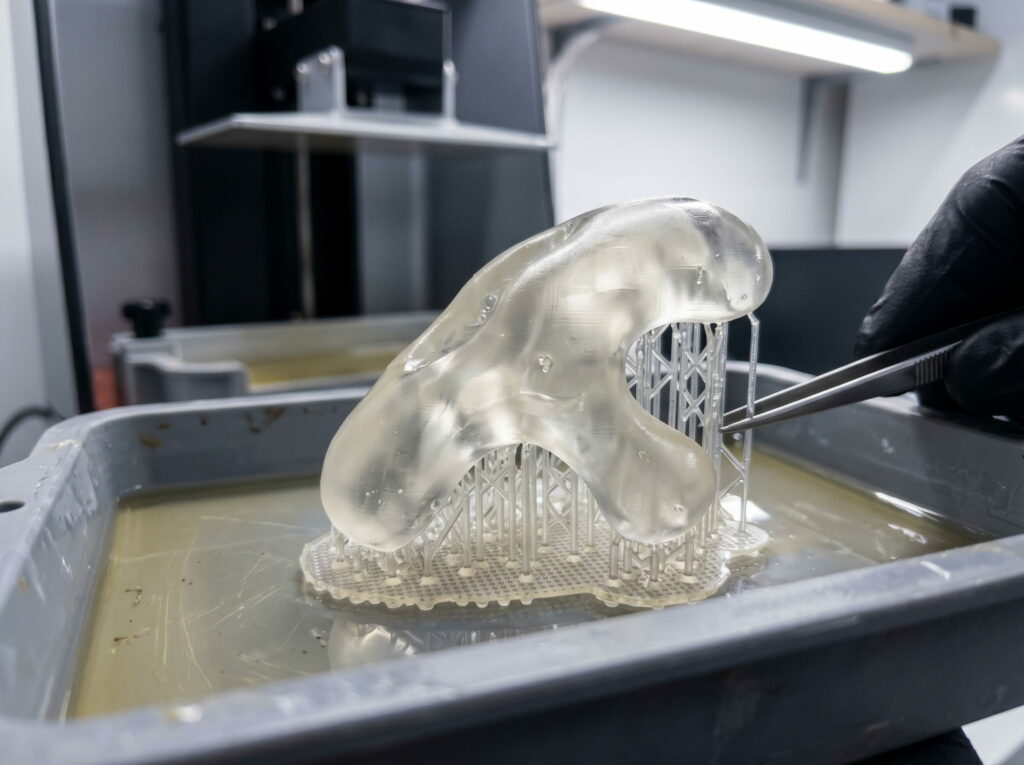
Stereolithography (SLA) is one of the earliest and most advanced forms of additive manufacturing. The process uses a UV laser to cure liquid photopolymer resin layer by layer, producing extremely detailed and accurate parts.
SLA remains one of the gold standards for high-resolution medical manufacturing because it delivers:
- Exceptional dimensional accuracy
- Smooth surface finishes
- Fine feature detail
- Biocompatible material compatibility
- Transparent and sterilizable components
- Reliable repeatability
These qualities make SLA particularly suitable for:
- Surgical guides
- Dental models
- Orthodontic appliances
- Hearing aids
- Medical prototypes
- Anatomical visualization models
- Microfluidic devices
- Custom trays and molds
Modern SLA systems now support industrial-scale production with automated post-processing and sub-30-micron precision.
SLA in Dentistry: A Major Growth Sector
Dentistry has become one of the fastest-growing sectors for SLA medical printing.
Recent reviews published in 2025 highlight how SLA technology is transforming:
- Prosthodontics
- Orthodontics
- Implantology
- Maxillofacial surgery
- Dental tissue engineering
Today, digital workflows allow clinics and labs to scan a patient’s mouth, design restorations digitally, and print highly accurate dental components within hours.
Common SLA Dental Applications
Surgical Guides
SLA printing produces highly precise implant surgical guides that improve implant placement accuracy while reducing surgery times.
A 2025 comparative study demonstrated that SLA technology continues to deliver excellent fabrication accuracy and material efficiency for implant guides.
Clear Aligner Models
Orthodontic labs use SLA printers to create highly accurate dental models for thermoformed aligners.
Temporary Crowns and Bridges
SLA biocompatible resins are now widely used for temporary restorations due to their aesthetics and precision.
Denture Bases
Advanced resins allow durable and aesthetically pleasing denture fabrication with faster turnaround times.
Maxillofacial Surgical Planning
Surgeons increasingly rely on SLA anatomical models for reconstructive procedures and trauma planning.
Advantages of SLA 3D Printing in Healthcare
1. Exceptional Precision
Precision is critical in healthcare. Even small dimensional deviations can affect surgical outcomes or prosthetic fit.
SLA technology excels because it can produce:
- Fine wall thicknesses
- Sharp edges
- Intricate geometries
- High-resolution surfaces
This level of precision is difficult to achieve consistently with many traditional manufacturing methods.
2. Smooth Surface Finish
SLA parts require less finishing compared to many other additive technologies.
This is particularly valuable for:
- Dental restorations
- Surgical tools
- Patient-contact devices
- Transparent medical components
A smoother surface improves aesthetics, comfort, and functionality.
3. Biocompatible Materials
Modern SLA printers support specialized medical-grade resins suitable for:
- Long-term skin contact
- Short-term mucosal contact
- Sterilizable applications
- Dental restorations
- Surgical tools
Material science advancements continue to expand the range of available healthcare materials.
4. Rapid Prototyping
Medical device manufacturers rely heavily on SLA for rapid iteration.
Benefits include:
- Faster product development
- Reduced tooling costs
- Accelerated regulatory testing
- Quicker design validation
Companies can test multiple iterations in days instead of weeks.
5. Customization at Scale
Personalization is one of the greatest advantages of medical 3D printing.
Every patient has a unique anatomy. SLA enables highly customized production without expensive tooling changes.
Applications include:
- Personalized hearing aids
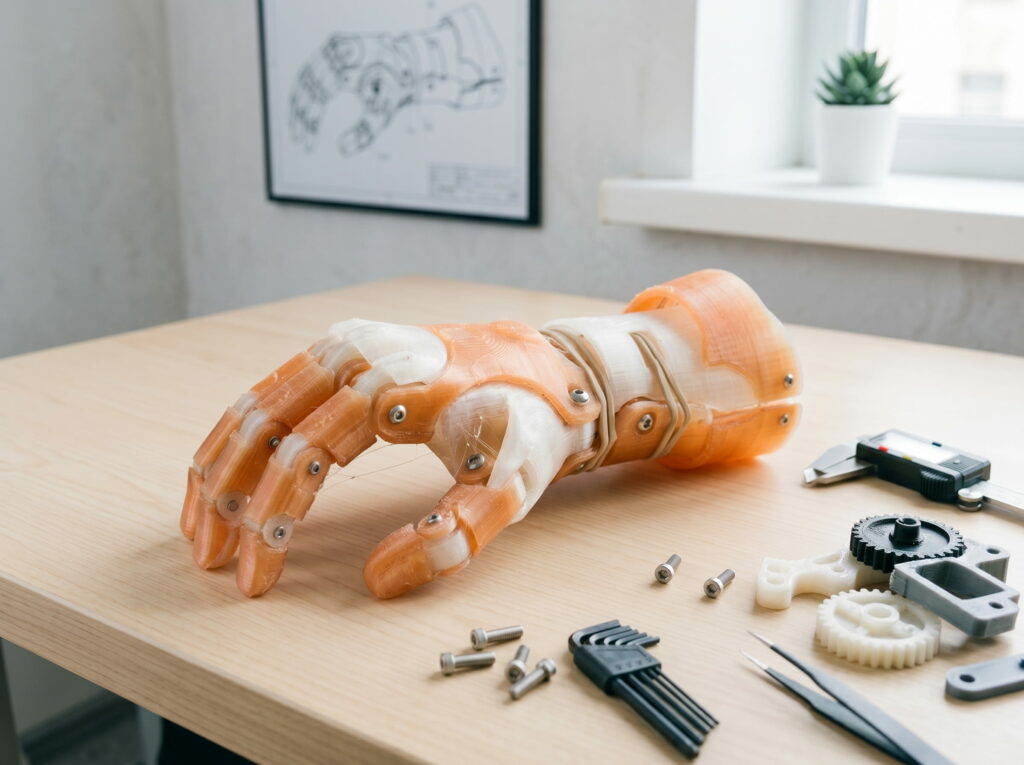
- Patient-specific prosthetics
- Custom surgical templates
- Orthopedic models
- Dental appliances
The Role of FDM in Medical 3D Printing
While SLA technology dominates high-precision medical applications, Fused Deposition Modeling (FDM) continues to play an important role in the healthcare industry because of its affordability, accessibility, and ease of use. FDM is one of the most widely adopted forms of 3D printing worldwide and is commonly used by hospitals, universities, research labs, and medical startups for rapid prototyping and educational purposes.
FDM technology works by heating and extruding thermoplastic filament through a nozzle, depositing material layer by layer until the final object is completed. This process is relatively simple compared to resin or powder-based systems, making FDM printers more cost-effective and easier to operate. Common materials used in FDM medical printing include PLA, ABS, PETG, TPU, and specialized medical-grade thermoplastics designed for healthcare environments.
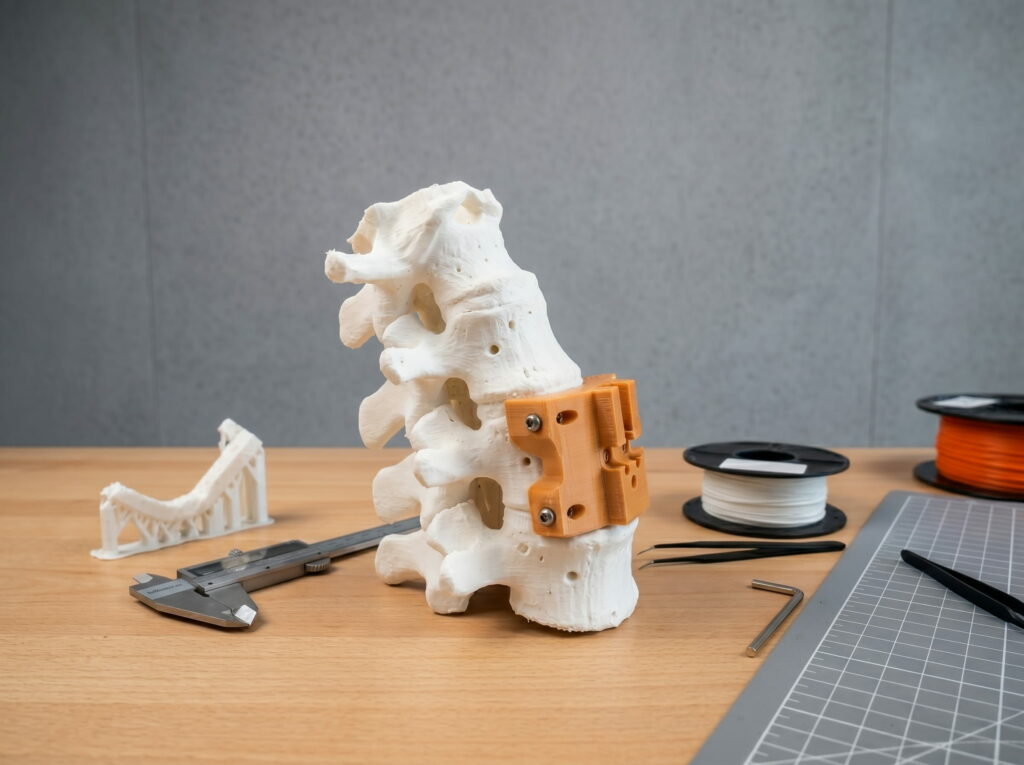
Because of its lower operational costs, FDM is frequently used in applications where ultra-high precision is not essential. Hospitals and educational institutions often rely on FDM printers to create anatomical teaching models, low-cost prototypes, surgical planning models, orthotics, prosthetic prototypes, and custom hospital fixtures or tooling. The accessibility of FDM systems has made them especially valuable for training environments and early-stage concept validation.
One of the biggest advantages of FDM printing is its cost-efficiency. The machines typically have lower upfront costs than SLA or SLS systems, and filament materials are generally inexpensive and widely available. This makes FDM ideal for rapid iteration and prototype development where multiple design revisions may be required.
FDM also offers fast prototyping capabilities. Simple medical models and conceptual devices can often be produced quickly, without extensive setup or post-processing. In addition, many FDM printers support larger build volumes, allowing manufacturers and healthcare facilities to create oversized anatomical models at a relatively low cost.
However, FDM does have limitations when compared with SLA technology. Due to the extrusion-based process, FDM parts typically have more visible layer lines, rougher surface finishes, and lower dimensional accuracy. Fine details and intricate geometries can also be more difficult to reproduce consistently. For applications requiring highly detailed surfaces, biocompatibility, or precision patient-specific components, SLA is generally the preferred solution.
Common FDM Materials Used in Medical 3D Printing
- PLA
- ABS
- PETG
- TPU
- Medical-grade thermoplastics
Medical Applications of FDM
- Educational anatomical models
- Low-cost medical prototypes
- Surgical planning models
- Orthotics
- Prosthetic prototypes
- Hospital tooling and fixtures
Advantages of FDM
- Lower equipment costs
- Affordable material pricing
- Fast prototype production
- Easy printer operation
- Large build volume capabilities
- Ideal for concept validation and training
Limitations of FDM Compared to SLA
- Lower print resolution
- Rougher surface finishes
- Less dimensional accuracy
- More visible layer lines
- Reduced fine-detail capability
- Limited suitability for high-precision medical applications
SLS 3D Printing in Healthcare
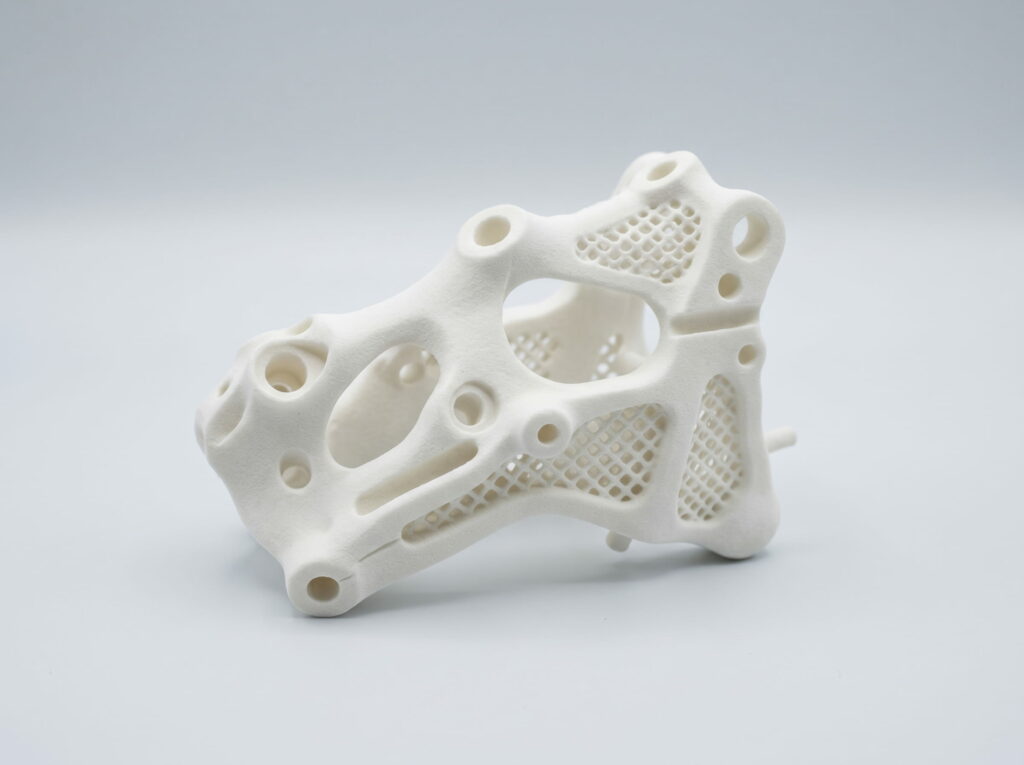
Selective Laser Sintering (SLS) is one of the most advanced and versatile additive manufacturing technologies used in modern healthcare. Known for its strength, durability, and ability to produce highly complex geometries, SLS has become increasingly important in the production of functional medical devices, orthotics, prosthetics, and customized healthcare components.
SLS technology works by using a high-powered laser to fuse powdered material layer by layer until a complete part is formed. Unlike SLA and FDM printing, SLS does not require support structures during the printing process because the surrounding powder naturally supports the part as it is being built. This unique advantage allows manufacturers to create highly intricate geometries, internal channels, lattice structures, and mechanically functional components that would be difficult or impossible to produce with traditional manufacturing methods.
In healthcare, SLS is widely used for applications that require strong mechanical performance and long-term durability. Medical providers and manufacturers commonly rely on SLS for customized orthotics, prosthetics, wearable medical devices, surgical instruments, durable housings, and functional medical prototypes. As personalized healthcare solutions continue to grow, SLS has become especially valuable for producing patient-specific orthopedic and prosthetic devices with improved comfort and fit.
One of the major advantages of SLS technology is its excellent mechanical strength. SLS parts are typically more durable and impact-resistant than many components produced with other additive manufacturing methods. This makes SLS ideal for functional testing and end-use applications where reliability and structural integrity are essential.
Another important benefit of SLS is its ability to create highly complex geometries without the limitations of support structures. Engineers and designers can develop sophisticated internal channels, lattice structures, and lightweight designs while maintaining excellent mechanical performance. This flexibility is particularly useful in medical engineering, where customized and ergonomic designs are often required.
SLS is also highly efficient for batch production and medium-volume manufacturing. Multiple parts can be nested within a single print build, improving productivity and reducing overall manufacturing costs for healthcare providers and medical device companies.
Despite its advantages, SLS does have some limitations. Compared with SLA printing, SLS parts generally have rougher surface finishes and visible powder textures. Additional post-processing is often required for aesthetic medical applications or components requiring smooth patient-contact surfaces. For highly detailed anatomical models, transparent components, or ultra-smooth finishes, SLA technology typically remains the preferred solution.
Common Medical Applications of SLS
- Orthotics
- Prosthetics
- Wearable medical devices
- Surgical instruments
- Functional medical prototypes
- Durable housings and enclosures
Advantages of SLS in Healthcare
- Strong mechanical properties
- Excellent durability and impact resistance
- No support structures required
- Ability to create complex internal geometries
- Efficient batch production capabilities
- Suitable for functional end-use parts
- Lightweight lattice structure design flexibility
Limitations of SLS Compared to SLA
- Rougher surface finishes
- More visible powder texture
- Additional post-processing is often required
- Less suitable for transparent components
- Lower aesthetic quality for highly detailed visual models
- SLA remains superior for ultra-high-resolution medical applications
DMLS: Metal 3D Printing for Advanced Medicine
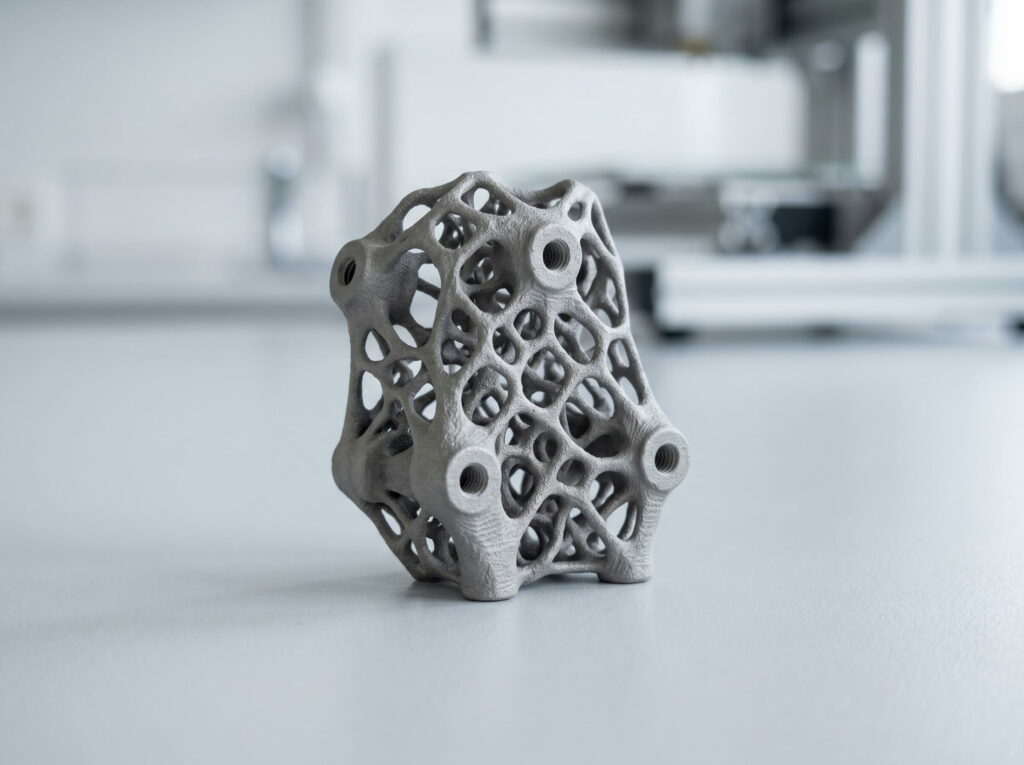
Direct Metal Laser Sintering (DMLS) represents one of the most advanced forms of additive manufacturing used in modern healthcare. As the demand for personalized implants and high-performance medical devices continues to grow, DMLS has become a transformative technology in the medical sector. Its ability to produce fully dense, highly durable metal components with complex geometries has opened new possibilities in orthopedic surgery, dental restoration, cranial reconstruction, and customized implant manufacturing.
DMLS technology works by using high-powered lasers to selectively fuse ultra-fine metal powder layer by layer until a complete metal part is formed. Unlike traditional subtractive manufacturing methods, which remove material from a solid block, DMLS builds components additively with exceptional precision and minimal material waste. This process allows manufacturers to create highly intricate internal structures and customized geometries that would be extremely difficult or impossible to achieve through conventional machining techniques.
A wide range of medical-grade metals can be used in DMLS printing, including titanium, stainless steel, cobalt chrome, and nickel-based alloys. These materials are chosen for their strength, corrosion resistance, biocompatibility, and long-term durability inside the human body. Titanium, in particular, has become one of the most widely used materials in medical metal printing because of its excellent strength-to-weight ratio and compatibility with bone tissue.
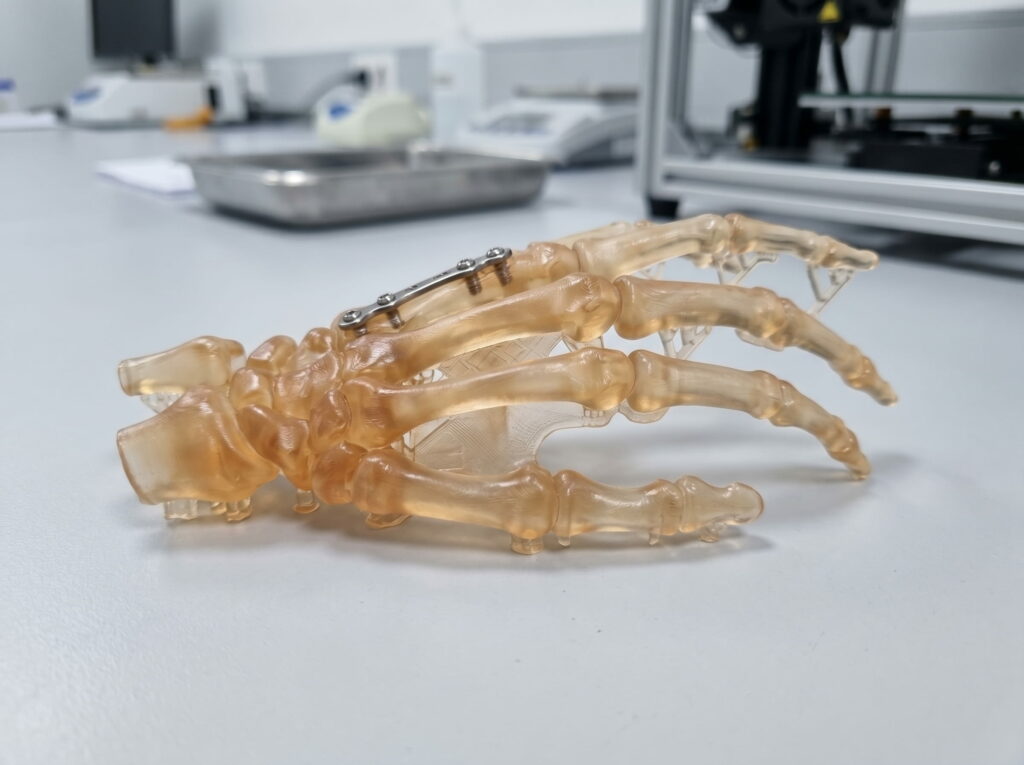
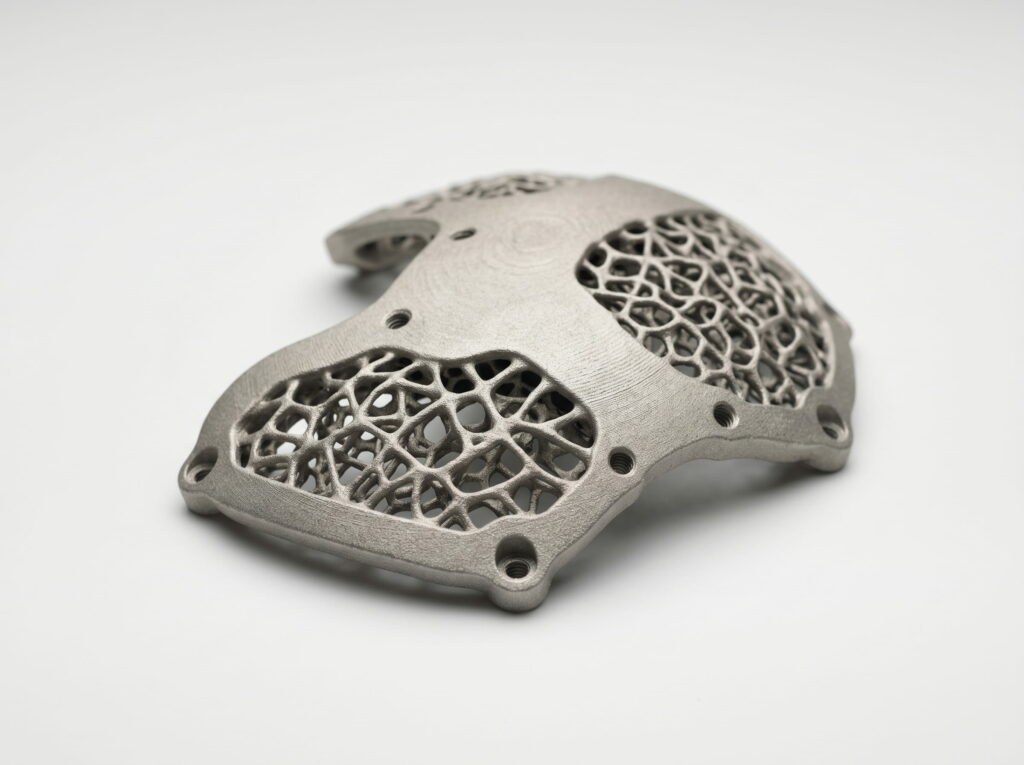
DMLS is extensively used throughout the healthcare industry for producing patient-specific implants and advanced surgical tools. Common applications include orthopedic implants, cranial plates, spinal implants, dental implants, surgical instruments, and customized fixation devices. Because every component can be digitally customized, DMLS allows surgeons and medical engineers to create implants that precisely match a patient’s anatomy, improving both fit and performance.
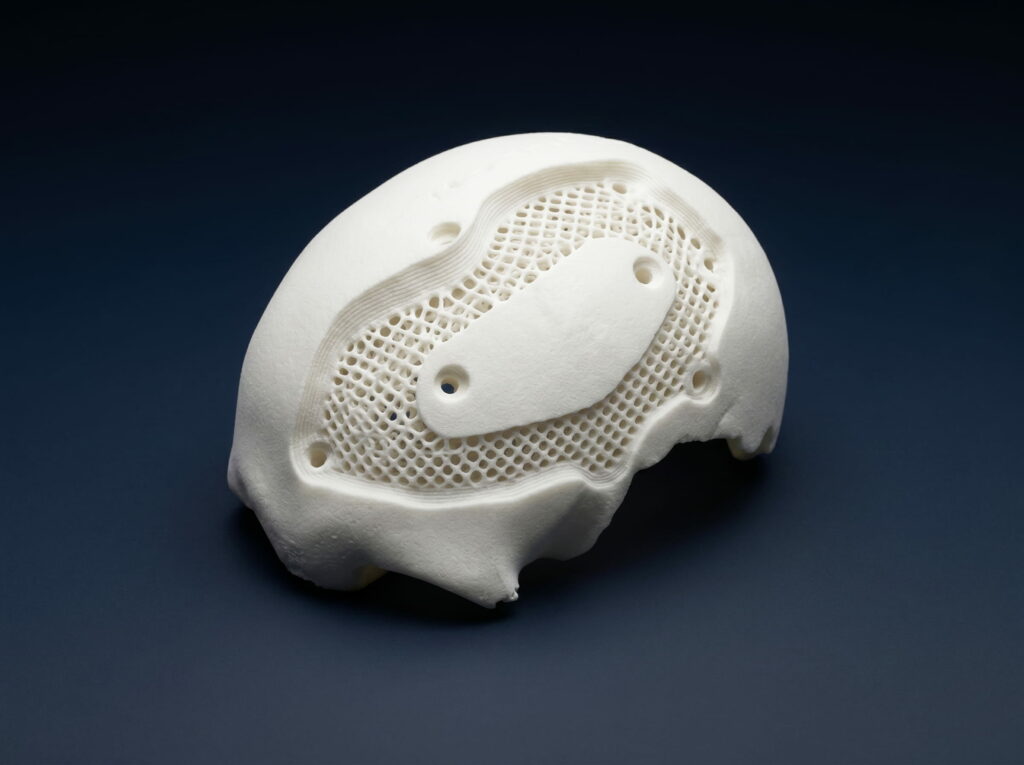
One of the biggest advantages of DMLS technology is the ability to produce porous lattice structures that promote osseointegration, or bone growth into the implant surface. These highly engineered porous designs help improve implant stability and long-term biological integration, which is especially important in orthopedic and spinal procedures.
DMLS also contributes to reduced surgery times and improved surgical outcomes. Customized implants often require fewer intraoperative adjustments because they are designed specifically for the patient’s anatomy. This can reduce operation complexity, minimize time spent in surgery, and improve recovery outcomes for patients.
Despite its advantages, DMLS remains one of the most technically demanding and expensive forms of additive manufacturing. The equipment required for metal printing is significantly more costly than polymer-based systems, and the manufacturing process often involves complex post-processing steps such as heat treatment, machining, polishing, and sterilization. In addition, strict quality control procedures and regulatory validation requirements are essential due to the critical nature of medical implants.
However, for high-value healthcare applications, the benefits of DMLS are substantial. The technology continues to play a major role in the future of personalized medicine, advanced implant design, and next-generation surgical innovation.
Common Materials Used in DMLS
- Titanium
- Stainless steel
- Cobalt chrome
- Nickel alloys
Medical Applications of DMLS
- Orthopedic implants
- Cranial implants
- Spinal implants
- Dental implants
- Surgical tools
- Customized fixation devices
Why DMLS Is Important in Medicine
- Enables patient-specific implant manufacturing
- Produces complex geometries impossible with conventional machining
- Creates porous lattice structures for bone integration
- Improves implant fit and anatomical accuracy
- Reduces intraoperative modifications
- Supports advanced surgical innovation
Advantages of DMLS
- Exceptional mechanical strength
- High durability and biocompatibility
- Precise customization capabilities
- Reduced material waste
- Advanced porous implant structures
- Excellent long-term implant performance
Challenges of DMLS
- Higher equipment and operational costs
- Complex post-processing requirements
- Strict quality control standards
- Longer validation and regulatory procedures
- Specialized technical expertise required
Point-of-Care 3D Printing Is Expanding
One of the biggest trends in 2025 and 2026 is point-of-care manufacturing inside hospitals.
Healthcare facilities are establishing in-house 3D printing labs to produce:
- Anatomical models
- Surgical guides
- Customized implants
- Educational tools
Industry experts identify point-of-care manufacturing as one of the fastest-growing sectors in healthcare additive manufacturing.
Hospitals benefit from:
- Faster turnaround times
- Improved surgical planning
- Better interdisciplinary collaboration
- Reduced outsourcing costs
AI and Medical 3D Printing
Artificial intelligence is increasingly integrated into medical additive manufacturing workflows.
AI now assists with:
- Image segmentation
- Surgical planning
- Automated design optimization
- Workflow automation
- Predictive quality control
This combination of AI and 3D printing is improving scalability while reducing manual labor and production time.
Bioprinting and the Future of Healthcare
Although still emerging, bioprinting represents the next frontier.
Researchers are developing methods to print:
- Tissue scaffolds
- Bone grafts
- Cartilage structures
- Drug delivery systems
- Bioactive implants
Recent experimental developments include handheld systems capable of printing synthetic bone grafts directly during surgery.
While widespread clinical adoption may still take years, the progress is accelerating rapidly.
Regulatory Challenges in Medical 3D Printing
Medical manufacturing requires strict quality standards.
Healthcare additive manufacturing companies must comply with:
- ISO certifications
- FDA regulations
- Health Canada requirements
- Material traceability
- Sterilization validation
- Documentation protocols
As personalized medicine grows, regulatory frameworks are evolving to support patient-specific manufacturing workflows.
Sustainability and Efficiency
Medical 3D printing can also improve sustainability.
Benefits include:
- Reduced material waste
- Localized production
- Lower inventory requirements
- On-demand manufacturing
- Reduced shipping and tooling needs
SLA and SLS technologies particularly help minimize waste compared to subtractive manufacturing methods.
Why Businesses Are Choosing SLA Over Traditional Manufacturing
Traditional manufacturing methods often require:
- Expensive molds
- Long lead times
- Complex tooling
- Large production runs
SLA eliminates many of these barriers.
Medical companies increasingly choose SLA because it allows:
- Rapid customization
- Faster market entry
- Improved design flexibility
- Lower prototyping costs
- Efficient low-volume production
This is especially important for startups and healthcare innovators.
The Future of Medical 3D Printing
The future of medical additive manufacturing looks exceptionally promising.
Over the next decade, we expect continued growth in:
- Personalized healthcare
- AI-driven design
- Smart materials
- Biocompatible resins
- Automated production workflows
- In-hospital manufacturing
- Advanced implant design
SLA technology will remain central to this transformation because of its unmatched balance of precision, detail, speed, and versatility.
At the same time:
- FDM will continue serving cost-sensitive and educational applications
- SLS will expand in functional medical devices
- DMLS will advance next-generation implant manufacturing
Together, these technologies are reshaping the future of medicine.
How 3D Vector Supports Medical Innovation
At 3D Vector, we specialize in advanced additive manufacturing solutions designed to meet the evolving needs of healthcare, dental, and medical industries.
Our expertise in SLA 3D printing allows us to deliver:
- High-precision medical models
- Surgical guides
- Dental applications
- Functional prototypes
- Custom healthcare components
We also support projects utilizing:
- FDM for rapid prototyping
- SLS for durable functional parts
- DMLS for advanced metal applications
By combining engineering expertise with advanced manufacturing technologies, we help healthcare providers, researchers, and innovators bring medical solutions to life faster and more efficiently.
Final Thoughts
Medical 3D printing is no longer experimental — it is becoming a core part of modern healthcare infrastructure.
Among all additive manufacturing technologies, SLA continues to stand out because of its exceptional precision, smooth finish, and compatibility with medical-grade materials. Whether used in dentistry, surgical planning, prototyping, or personalized healthcare devices, SLA is driving the next generation of patient-centered medicine.
Meanwhile, FDM, SLS, and DMLS each play important roles in expanding the possibilities of additive manufacturing across healthcare ecosystems.
As technology advances, medical 3D printing will continue improving personalization, efficiency, surgical outcomes, and innovation across the healthcare industry.
Companies that embrace these technologies today will help define the future of medicine tomorrow.